Strategies for Generating Leads and Conversions on Dealership Websites
November 21, 2024
Building Trust Through Transparency: Ethical Considerations in Dealership Digital Marketing.
December 28, 2024

Utilizing Chatbots for Customer Engagement in Dealership Digital Marketing
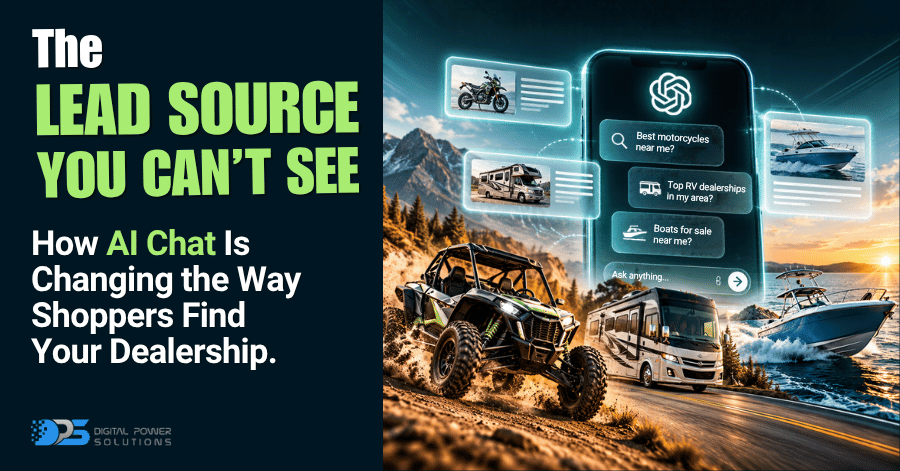
The world of digital marketing is shifting gears, and chatbots are leading the way. Let's dive into how these virtual assistants can turbocharge your customer engagement and help you generate leads like never before.
Why Chatbots? Imagine having a team member who never sleeps, never takes a break, and is always ready to chat with your customers. That's a chatbot for you! These AI-powered conversational agents are revolutionizing customer service in the industry by providing instant support, answering queries, and even scheduling test drives[1][2].

Benefits of Chatbots in Dealership Marketing
- 24/7 Customer Support: Chatbots offer round-the-clock assistance, ensuring your customers never have to wait for answers. This availability can significantly enhance customer satisfaction and loyalty[3][10].
- Lead Generation: By engaging potential customers with personalized interactions, chatbots can capture valuable leads and guide them through the sales funnel. They can recommend vehicles based on customer preferences, schedule test drives, and even initiate financing processes[1][2].
3. Cost Efficiency: Automating routine inquiries and tasks reduces the workload on human staff, leading to significant cost savings. This efficiency allows your team to focus on more complex customer interactions[2][5].
4. Enhanced Customer Experience: With the ability to analyze user data, chatbots provide personalized recommendations, making each interaction unique and engaging. This personal touch can turn casual browsers into loyal customers[3][5].
How Chatbots Work in the Industry
Chatbots in the automotive sector are powered by advanced technologies like Natural Language Processing (NLP) and Machine Learning (ML). These tools enable chatbots to understand and respond to customer queries in a natural, conversational manner[1][5].
- NLP: This technology helps chatbots understand the intent behind customer questions, allowing them to provide accurate and contextually relevant responses[5]. It enables computers to understand, interpret, and respond to human language in a meaningful way. By combining computational linguistics with machine learning and deep learning, NLP allows systems to process both text and speech data, bridging the gap between human communication and machine understanding. One of NLP's strengths lies in its ability to handle the complexities of language, including slang, idiomatic expressions, and grammatical irregularities, ensuring contextually relevant interactions. Additionally, NLP-powered tools can analyze massive amounts of unstructured text data—like customer feedback or call center transcripts—to extract insights, classify information, and even predict trends.
- ML: Machine learning allows chatbots to learn from past interactions, improving their ability to handle complex conversations and personalize customer experiences over time[5]. It is a subset of artificial intelligence that focuses on enabling systems to learn from data and improve their performance without being explicitly programmed. It uses algorithms to identify patterns, make predictions, and adapt over time based on new information, making it ideal for dynamic environments like customer engagement. ML allows these systems to analyze past interactions, refine their responses, and provide increasingly personalized and accurate assistance to users. For example, an ML-powered chatbot in a dealership can learn customer preferences—such as vehicle types or price ranges—and tailor its recommendations accordingly. Furthermore, ML algorithms can process vast amounts of historical data to predict customer behavior, optimize marketing strategies, and even identify potential leads, giving dealerships a competitive edge in the digital marketplace.
Ready to shift your dealership into high gear with chatbots? Here's a roadmap to get you started:
- Define Your Goals: Determine what you want your chatbot to achieve, whether it's lead generation, customer support, or sales assistance[5].
- Choose the Right Platform: Select a chatbot platform that aligns with your dealership's needs. Some options include Insider Perks' "Roadie, Lightspeed DMS, and DP360 CRM. A chatbot service by Digital Power Solutions is also in the works!
- Design Conversational Flows: Develop intuitive conversation paths that guide customers through their inquiries seamlessly[5]. After defining the chatbot's purpose to align it with your business goals, map out user journeys by visualizing the different paths customers might take, from initial greetings to desired outcomes like booking a test drive. Design conversation scenarios that are concise, natural, and include clear calls-to-action (CTAs) to guide users while avoiding dead ends. Anticipate unexpected inputs by planning fallback options, such as rephrased prompts or escalation to a human agent, ensuring users don’t feel stuck. Use tools like draw.io or Voiceflow to create and refine a flow diagram with all possible interactions and decision points.
- Integrate with Existing Systems: Ensure your chatbot can access relevant data to provide accurate information[1][5]. Chatbots for powersport, RV, and marine websites should connect with CRM systems like Salesforce to enable chatbots to capture customer data, track interactions, and qualify leads for sales teams. Integration with DMS platforms such as Lightspeed or IDS automates tasks like inventory updates and service scheduling, improving efficiency. Chatbots linked to payment processing tools can facilitate secure transactions, such as deposits or service payments, directly within the conversation. By integrating with messaging platforms like WhatsApp or Facebook Messenger, chatbots can engage customers on their preferred channels for real-time support. Additionally, connections to e-commerce platforms help chatbots assist with product recommendations and order tracking, while analytics tools provide insights into customer behavior to refine marketing strategies and chatbot performance.
- Test and Refine: Continuously monitor chatbot interactions[1][5]. Track key metrics like Goal Completion Rate (GCR), Customer Satisfaction Scores (CSAT), and fallback rates to assess performance and identify problem areas. Analyze missed utterances and escalations to refine the bot’s NLP capabilities for better understanding of user queries. Conduct functional, usability, and security testing, along with A/B testing, to optimize conversational flows and ensure a seamless user experience. Additionally, gather user feedback through surveys or focus groups.
The Future of Chatbots in Automotive Marketing
As AI technology continues to evolve, chatbots are becoming more sophisticated and capable of handling even more complex tasks. From assisting with financial applications to recognizing customer emotions, the future of chatbots in automotive marketing looks promising[3]. In the fast-paced world of automotive digital marketing, chatbots are not just a trend—they're a necessity. By offering 24/7 support, generating leads, and enhancing customer experiences, chatbots can drive your dealership to new heights. So, buckle up and embrace the chatbot revolution!
Spend 15 minutes learning how TRADE CYCLE solves conversion challenges with nearly zero maintenance.
What are the chances we can surprise you?
Citations:
[1] https://www.freshworks.com/chatbots/automotive/
[2] https://masterofcode.com/blog/automotive-chatbots
[3] https://www.turbomarketingsolutions.com/single-post/ai-chatbots-for-communication-in-the-automotive-industry-enhancing-customer-service-and-efficiency
[4] https://www.cognizant.com/us/en/case-studies/chatbot-improves-car-purchase-journey
[5] https://fastbots.ai/blog/how-automobile-chatbots-are-transforming-customer-service-in-the-automotive-industry
[6] https://www.forbes.com/sites/forbesagencycouncil/2020/02/27/15-best-practices-for-producing-quality-engaging-content/
[7] https://www.reddit.com/r/SLOWLYapp/comments/rfvric/writing_letters_in_a_conversational_style_how_and/
[8] https://textshop.com.au/a-complete-guide-to-conversational-writing/
[9] https://forgeandspark.com/how-to-achieve-a-conversational-tone-in-your-writing/
[10] https://digitalpower.solutions/the-role-of-ai-and-machine-learning-in-dealership-marketing-automation/